Degen Through the Lens of Marley Yanow
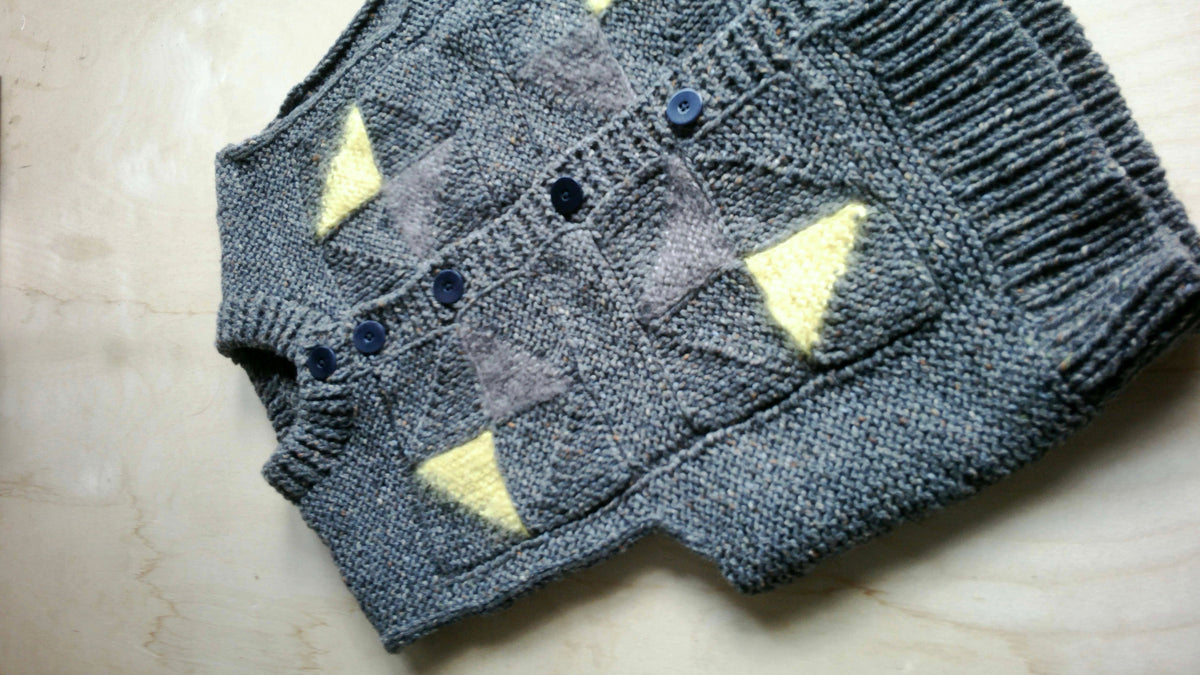
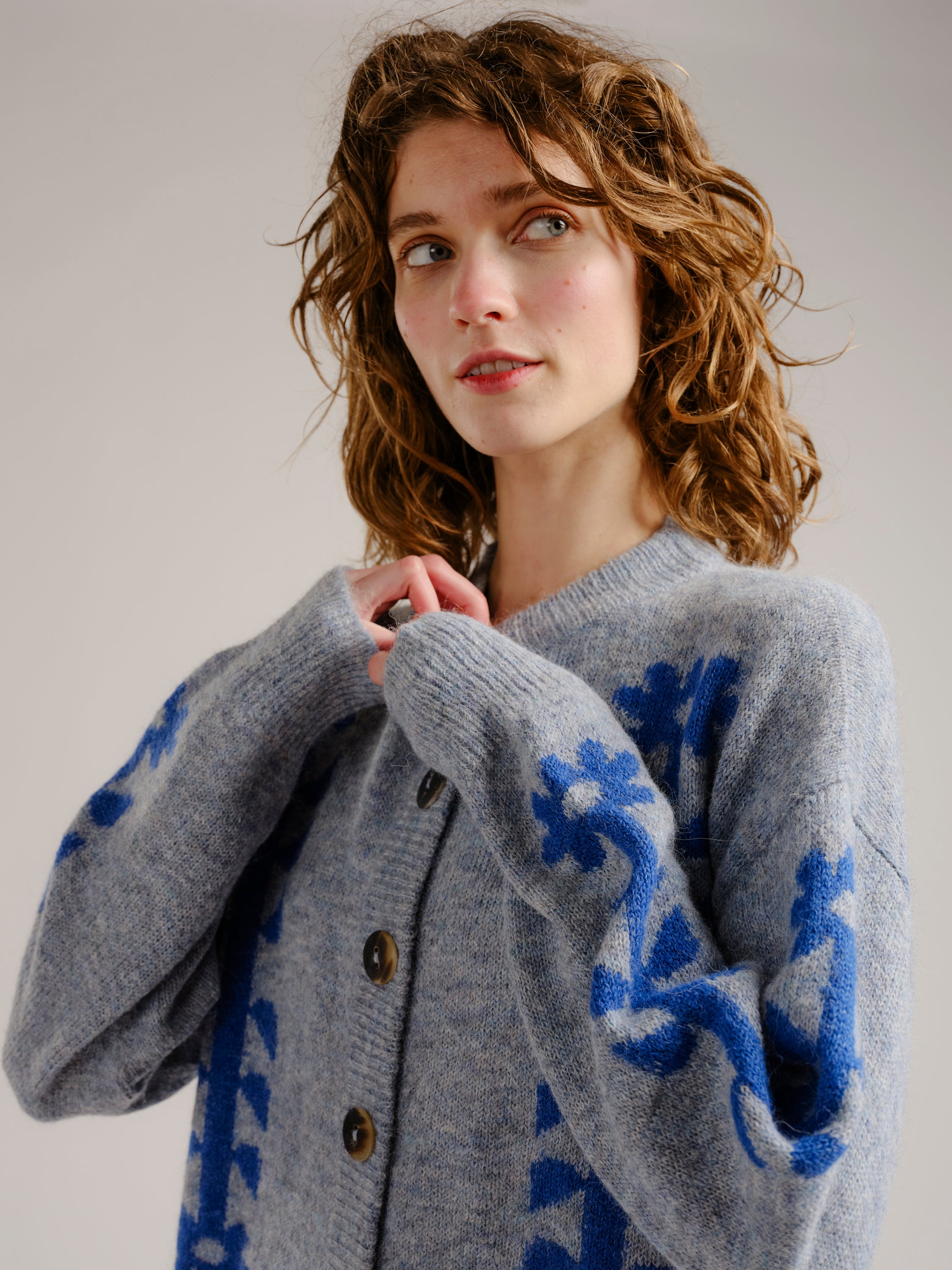
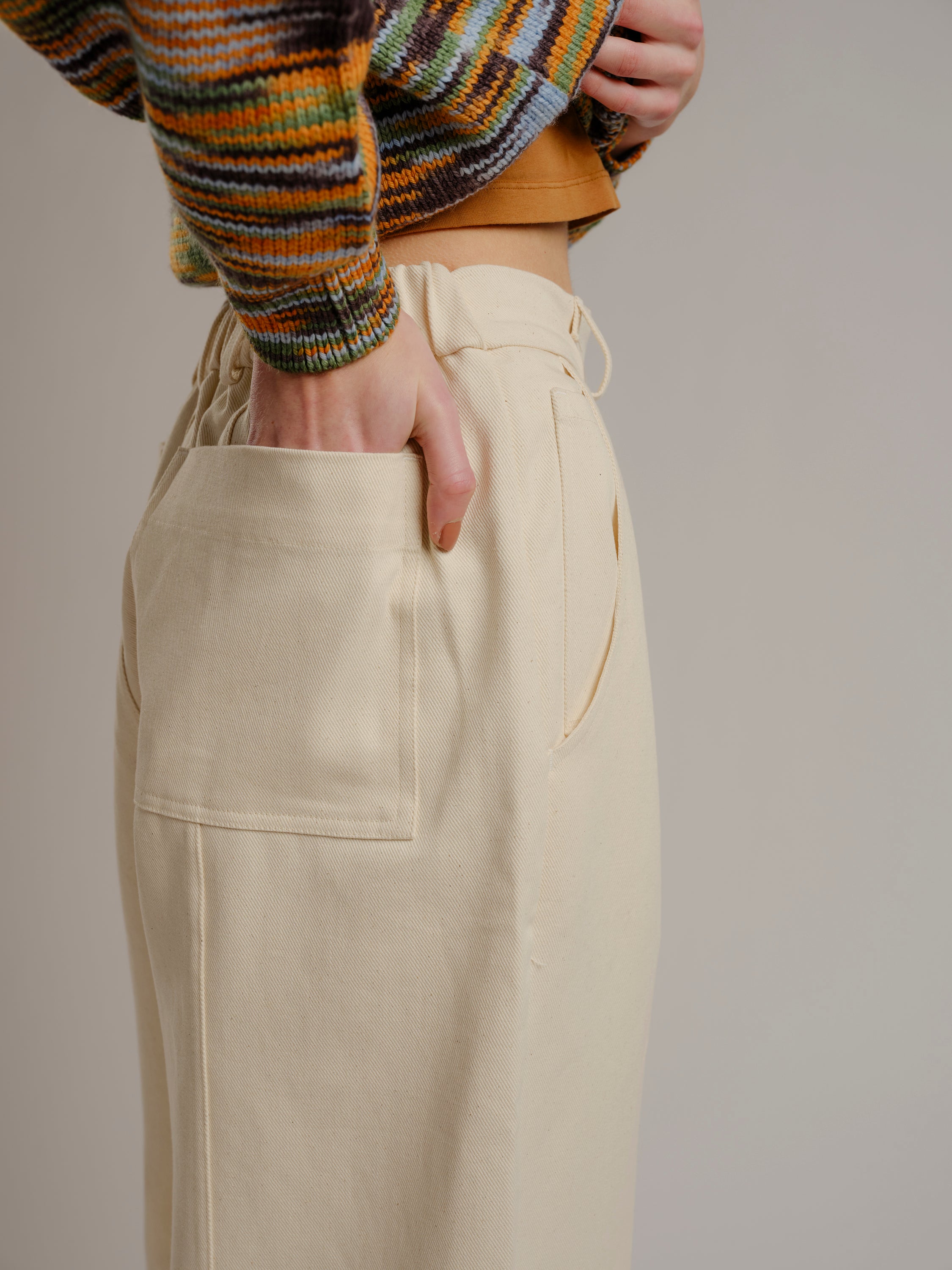
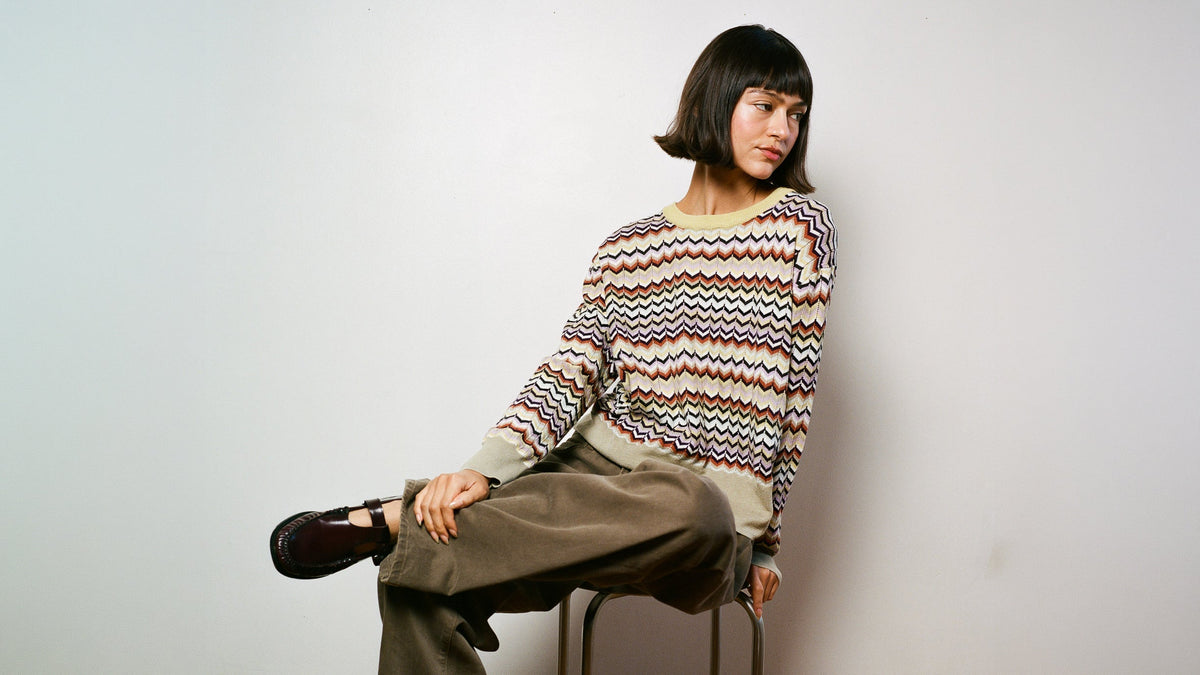
Last week we handed over a few pieces from our collection to photographer Marley Yanow to see it through her lens. I am so in love with how these photos turned out so I thought we should do a little interview so the readers can get to know more.
A little intro - name, location etc
Hi, my name is Marley. I’m a 23-year-old New York-based, LA-born, analog photographer, printmaker, and writer. I use she/her pronouns, although you can call me whatever; I’m not picky.

We love that you shoot film- what was your first film camera?
My first film camera was a Canon AE-1, a 35mm SLR that I’m pretty sure is considered almost everyone’s first “real” camera. I don’t usually say this was my first camera because my passion for film didn’t fully develop, no pun intended, until my first year of college, when I had access to a Hasselblad, a beautiful 6x6 medium format. Since then, I’ve primarily shot on medium format, using a Mamiya 7 for 6x7 and a Nikon FM3a for 35mm.

What is your typical point of inspiration or subject matter in your work? Do you have any favorite photos that you have made?
It’s funny, usually, when I tell people I’m a photographer, the first thing they ask is, “what do you take photos of?” I assume they expect me to name a single subject, like landscapes or portraits, but my answer is always, “everything.” As broad as that response may sound, my practice as a photographer has always been rooted in intentional looking rather than a distinct study of one subject. So, I guess, the word I mostly use is “environmental” because, over the last few years, I’ve been gravitating towards making pictures of places, spaces, and things that have remained relatively untouched for an extensive period of time. Old homes, specifically, have been a big one. Interiors that look like they haven’t been updated since the 80s, tall grasses that have been left uncut, structures that have been left to decompose, things of that nature.*
I personally am really inspired by the fact that film photography results in some physical object records of a moment. The negatives, the developed paper, the empty little film canisters etc. What does the object-ness of photography mean to you or why do you like to shoot film?
This is exactly why I love film and darkroom printing so much: the fact that it's a physical object. I think, in modern day, so many people associate a “picture” with being an intangible cluster of pixels that lives in our computers, phones, or digital cameras. With digital photography, there’s no way to preserve remnants of distinct moments in physical space; it’s almost like taking an idea of a photo. It exists, but does it really? Like, what would happen if your device malfunctions and suddenly every photo you’ve ever taken is just…gone? This is a thought-loop I often catch myself in. It makes me wonder if existence is qualified by something’s ability to be touched.
I guess, if we’re thinking about photography in this way, there’s something more “real” about shooting on film. You are creating a physical, chemical reaction to the moment you’re living in, capturing light in a way that makes an image rather than simply taking it. I also think there’s something beautiful about a physical archive you can keep, hold, and add to. To me, shooting on film makes photography feel more like a practice and a ritual than a passive habit. Shooting film forces you to make decisions and identify a decisive moment; there’s a beginning and an end to a roll of film, and each picture is a distinct decision to capture something worth keeping.

Tell us about Nice Film Club
Nice Film Club is a full-service platform and film lab based in Brooklyn, NY. Born out of a love for the imperfections found on every roll of film, we’re determined to serve film photographers by providing the highest-quality modern film development, scanning, and printing services. Today, nearly 50,000 photographers across the country trust Nice with their film.
I pretty much live at Nice Film Club; I’ve been employed there for nearly 2.5 years, and I’m really grateful for the opportunities this company has given me. I started as a lab tech, primarily doing color-related work in scanning and printing. But in the last year, I’ve been promoted to Head of Partnerships and Photography— which, honestly, is a bit of a narrow title for all the different pots I have a hand in. I lead partnerships, do all brand-related still photography, curate our gallery space, plan events and workshops, hand-pick the books available in our bookstore, manage some of the interior design of our studio and office, and write our Substack.
At this point, I like to joke that I come with the building. I’m pretty sure my coworkers think I secretly live here.

Whats your advice for a novice getting started?
My biggest piece of advice is to not just expect, but to know, that you will fuck up. It’s true. You absolutely will, and it will be frustrating. But ultimately, I think when learning how to shoot film, you need to embody a sort of radical acceptance that no roll is guaranteed. I can’t tell you how many times I’ve shot blanks, even in my professional life! Film sometimes doesn’t wind properly, a darkslide accidentally stays in, or an ISO setting is wrong…there’s a whole list of mistakes you can make, but through every mistake is a lesson.
Camera settings are hard to learn, light is hard to learn—it's math and science—and I failed both in high school. I think, when you’re starting out, there should be less of an emphasis on making an image you’re proud of; instead, focus on the camera’s function before looking at subjects and compositions. You need to understand the basics, the so-called “rules” of photography, before diving into the deep end of finding your personal style.
What frustrates me about digital photography is that anyone, literally anyone, can set a camera to “auto” and go shoot whatever. And yeah, that’s great, and I don’t judge those who do, but I don’t think it’s fair for those people to claim the title of “photographer.” Understanding the process of photography is just as important, if not more important, than the image itself. That’s one reason the kind of camera you shoot on is irrelevant. The camera itself doesn’t take a great picture just because it's a fancy Leica or a Mamiya, just like a nice car doesn't automatically make you a great driver. The point is, the more you understand about your camera as a tool rather than the engine in your ability to make, the more agency you have over how you choose to shoot.
Sneak Peek of upcoming releases: 
Photo credits for the Degen shoot:
Models: @linz_gallagher @gigigenivia
Hair: @simone_domizi
Makeup: th_u.c
Photo: @marleyyanow