
On Manufacturing
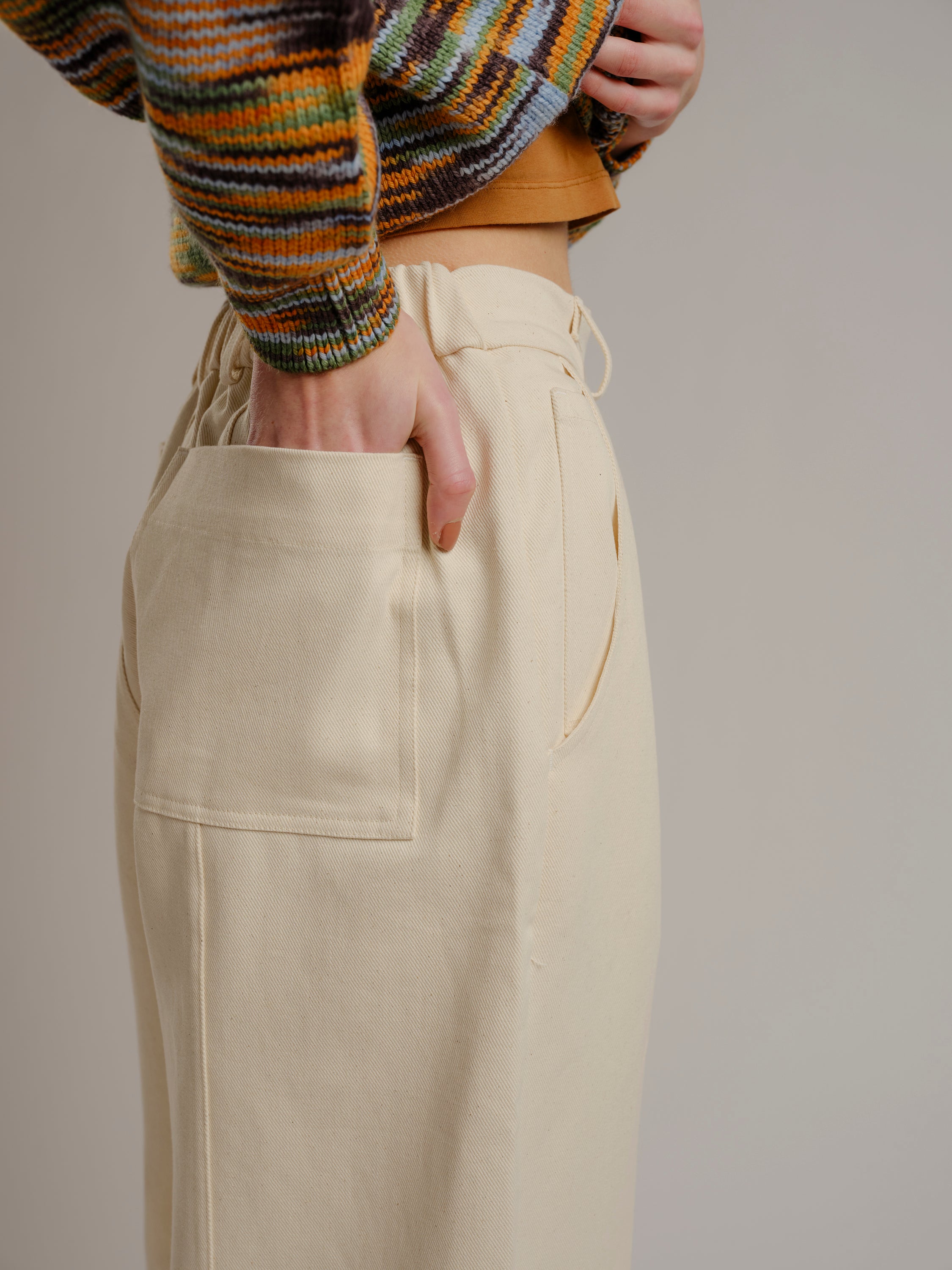
At DEGEN, we believe that how something is made matters just as much as what it becomes. Because how something is made impacts its ability to last and because we care for the people who make it.
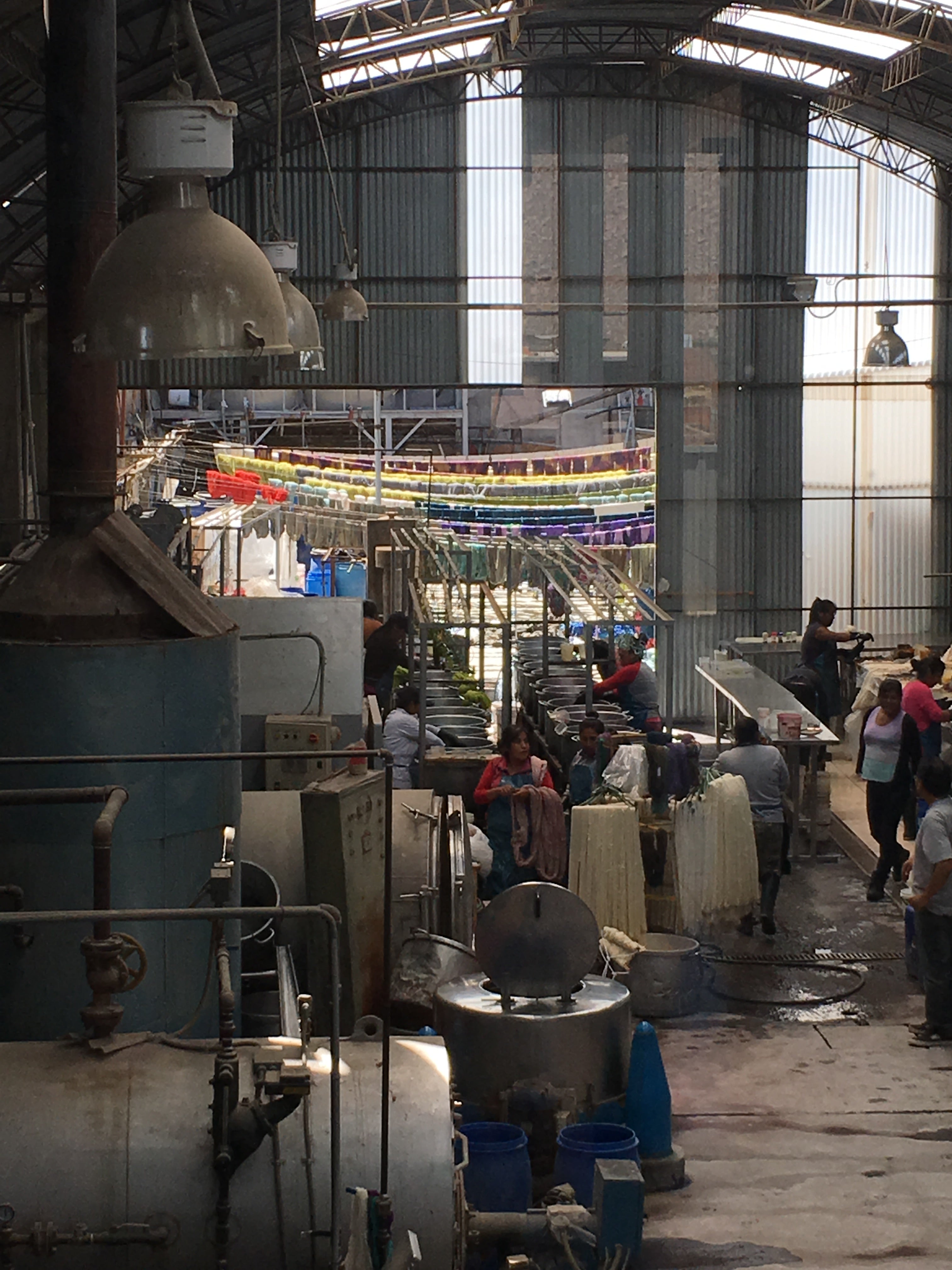
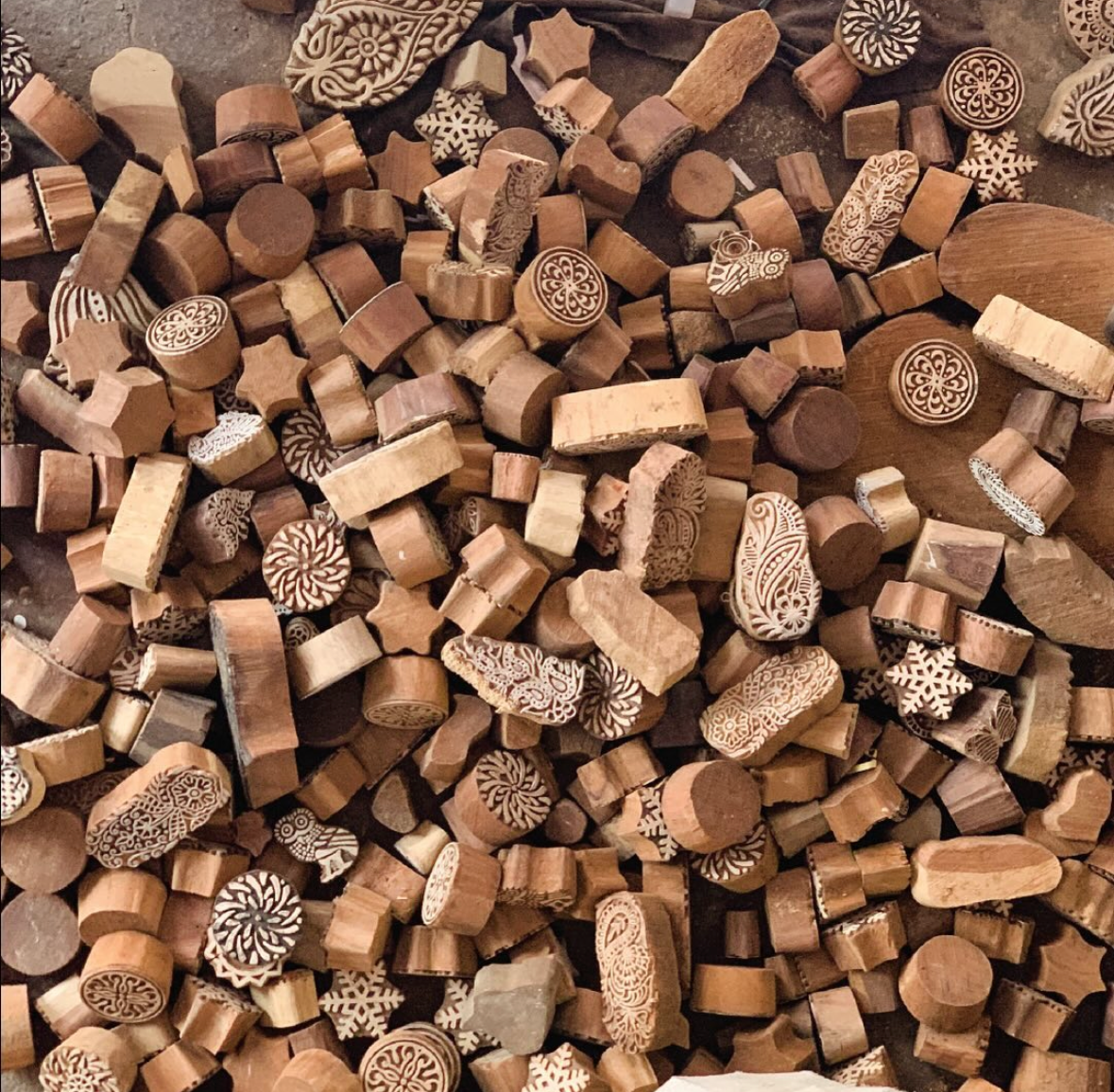
We work with artisans and specialized factories around the world, selecting partners for their deep expertise and long-standing relationships with the materials they work with. Our collaborators are located in the United States, Wales, South Korea, China, Peru, India, Pakistan, and Japan. These are all places where specific craft traditions and technical knowledge have developed over generations.
Whenever possible, we work with partners whose materials are local to their region. Wool spun near the farms where it is raised. Cotton grown near the mills that weave it. Factories whose machinery, workers, and knowledge have evolved around those materials.
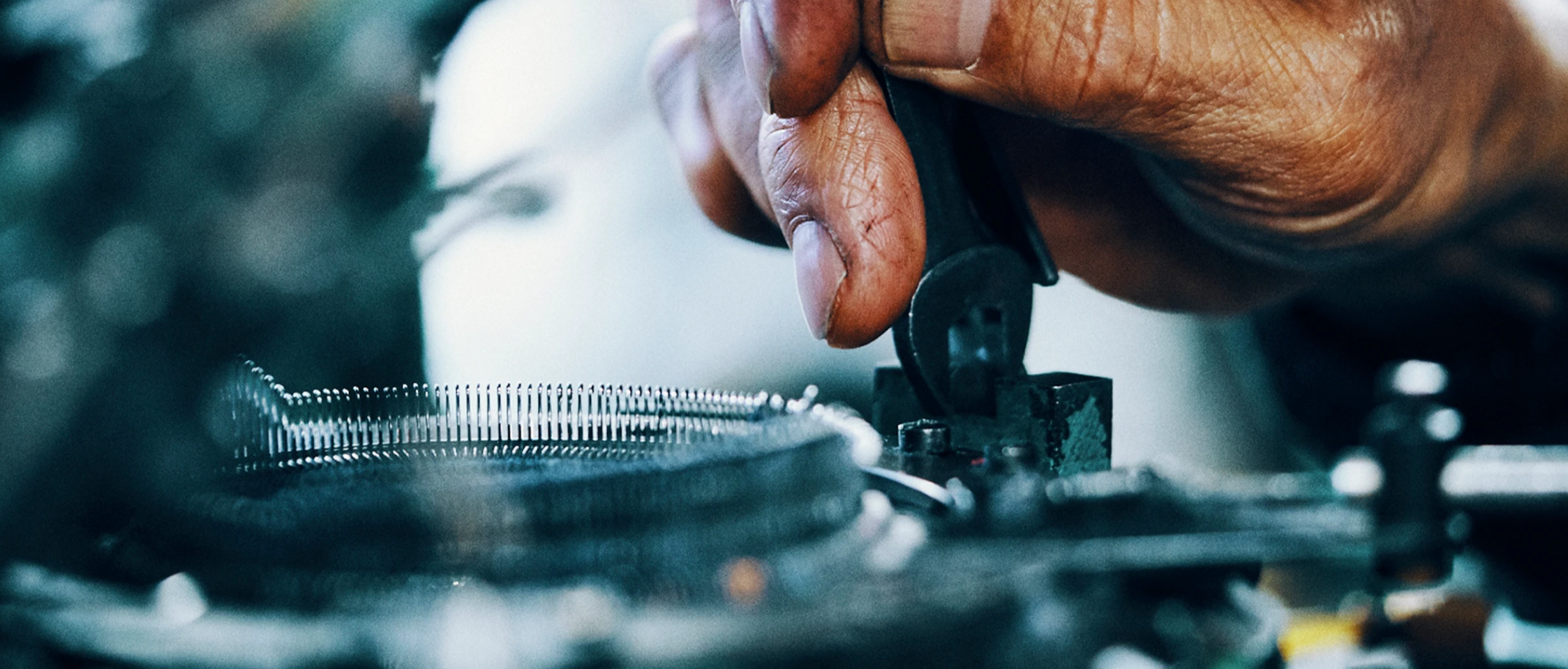
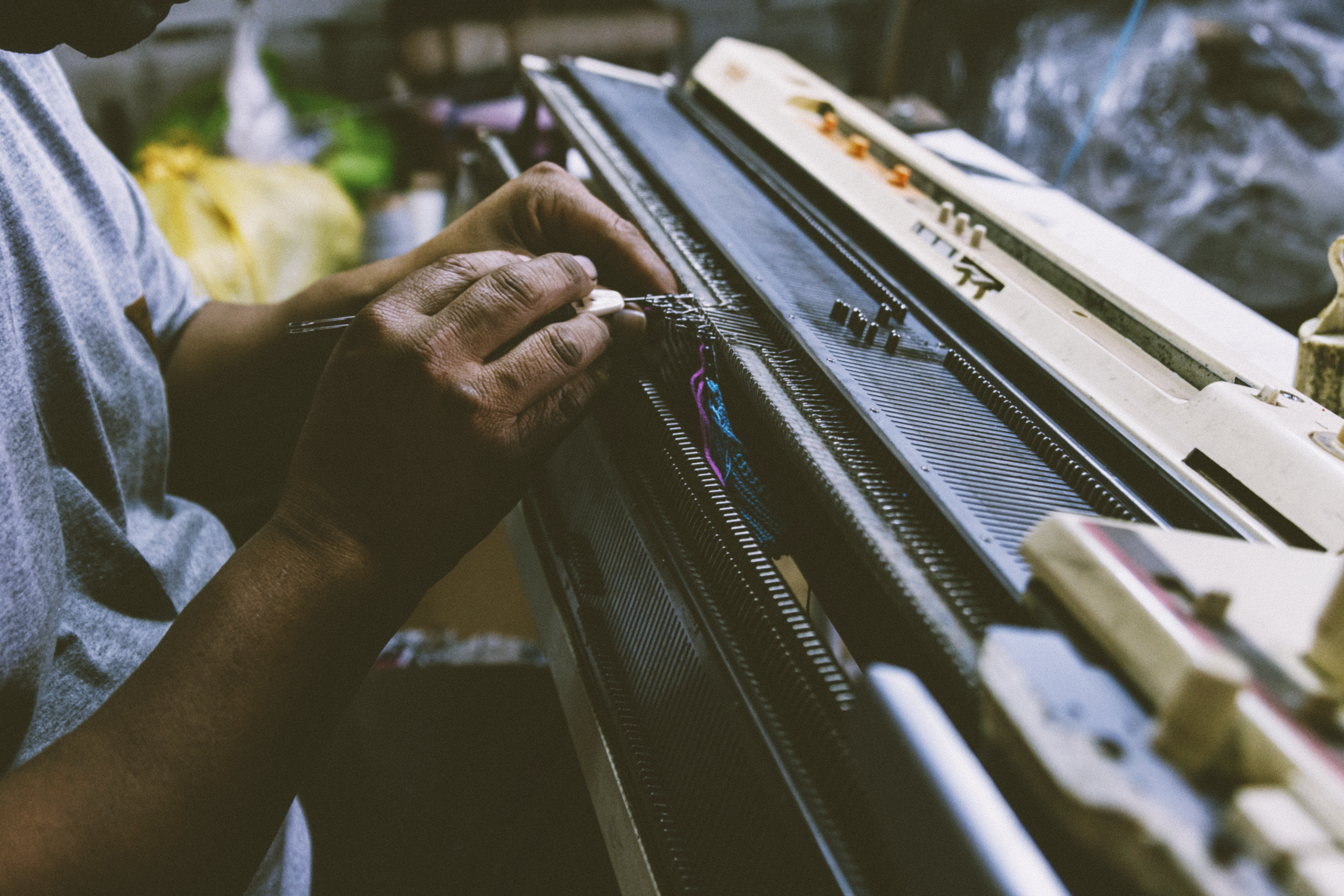
Locales have truly unmatched specialties. Fine gauge knitting produced in China is among the best in the world, reflecting decades of technological advancement and skilled technicians. In Japan’s Nara Prefecture, home to one of the most historic sock manufacturing regions, sock knitting has reached a level of precision and quality that is difficult to replicate elsewhere. We often hear people talk about poor quality tied to certain countries. We know from experience that these kinds of generalizations are rarely informed and often rooted in deeper biases rather than the reality of craft.
Our relationships with these makers are personal. We speak regularly, collaborate closely, and approach challenges together. As global events shift and manufacturing landscapes change, we navigate those moments alongside our partners because we believe supporting artisans means supporting the people behind the craft, not just the finished product.
We seek partners who operate responsibly and strive for strong labor and environmental standards. Many of our partners hold industry certifications, and we value the accountability these systems provide. At the same time, we recognize that certifications can be extremely costly, especially for smaller workshops. One individual hand knitter can make the most beautifully crafted sweater but would not be able to get certified. Craft is often a practice that happens in a home. Exceptional craftsmanship, transparency, and long-term trust are also essential indicators of responsible production.
For us, manufacturing is a community of makers whose knowledge shapes every piece we create. We are in awe of the talents of our partners and lucky to work with them.