


Planting Kelp + Trees
Every purchase and review supports plantings - learn more belowKelp Planting
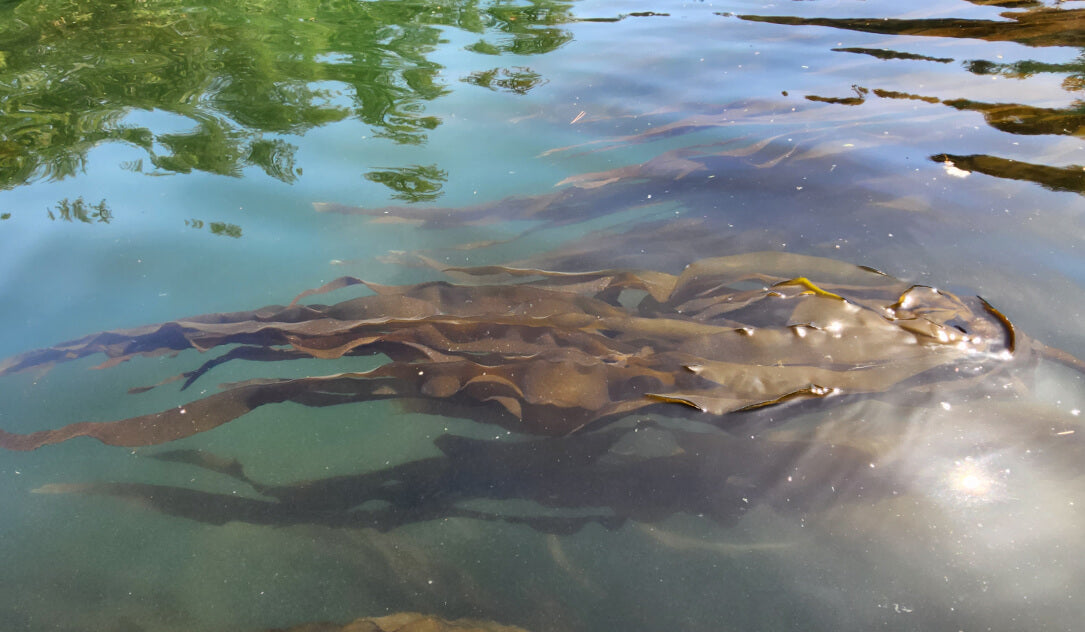
Restoring marine life through the seaforestation of kelp, helping to promote marine and environmental ecosystems in British Columbia, Canada. Seaforestation is an emerging conservation strategy focused on the restoration and cultivation of underwater sea-grass and kelp forests in marine environments. This approach aims to bolster marine ecosystems by planting and nurturing these underwater plants, which play a vital role in enhanced water quality, habitats for marine life as well as ocean health and sustainability.
What is Kelp
Kelp is a type of seaweed belonging to the brown algae family that encompasses a diverse group of underwater plants that thrive in marine environments. From the towering Giant Kelp to the slender Sugar Kelp and the robust Bull Kelp, each species contributes uniquely to the richness of the ocean ecosystems. Kelp forests provide a vital habitat for many marine organisms, including fish, invertebrates, seaweeds, and algae. Acting as underwater sanctuaries, these forests offer shelter, sustenance, and breeding grounds for various species, thereby fostering the intricate web of life within our oceans.
Importance of kelp in British Columbia, Canada
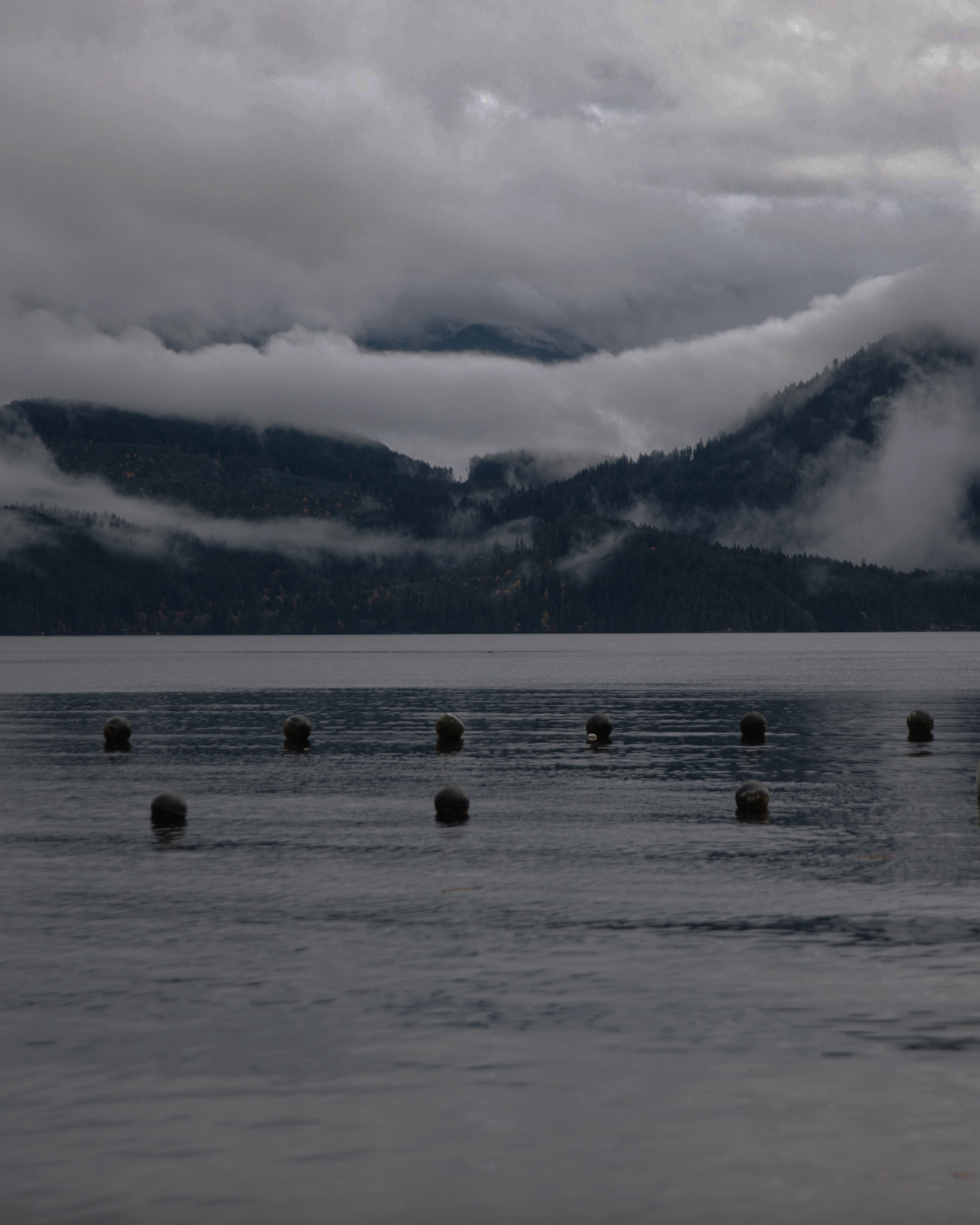
In British Columbia, Canada, kelp holds both cultural and ecological significance, particularly for Indigenous communities in the Pacific Northwest. For centuries, kelp has served as a fundamental resource, utilised for sustenance, traditional medicine, and cultural practices. However, for the past five decades, we’ve witnessed a concerning decline in global kelp forests, exceeding 40%. Factors such as climate change, over-exploitation, and pollution have contributed to this degradation, threatening the ecological balance and cultural heritage associated with kelp ecosystems. To address these challenges, collaborative efforts led by organisations like Coastal Kelp are underway to restore kelp forests along the Indigenous territories of Hotham Sound and Powell River in British Columbia. By partnering with Coastal Kelp and Indigenous communities such as shíshálh, and Tsleilwaututh, millions of Kelp Sporophytes (seeds) are being cultivated and planted in Indigenous waters.
Environmental and social benefits
Kelp forests serve as vital carbon sinks, sequestering carbon dioxide from the atmosphere and mitigating the impacts of climate change. Additionally, these ecosystems support diverse marine species, including Herring, Salmon, and Northern Abalone, enhancing marine biodiversity and ecosystem resilience. The process of seaforestation not only restores biodiversity but also generates employment opportunities for local communities. For every 10,000 kelp planted, 20 work days are created for community members, fostering economic empowerment and environmental stewardship.
The Process
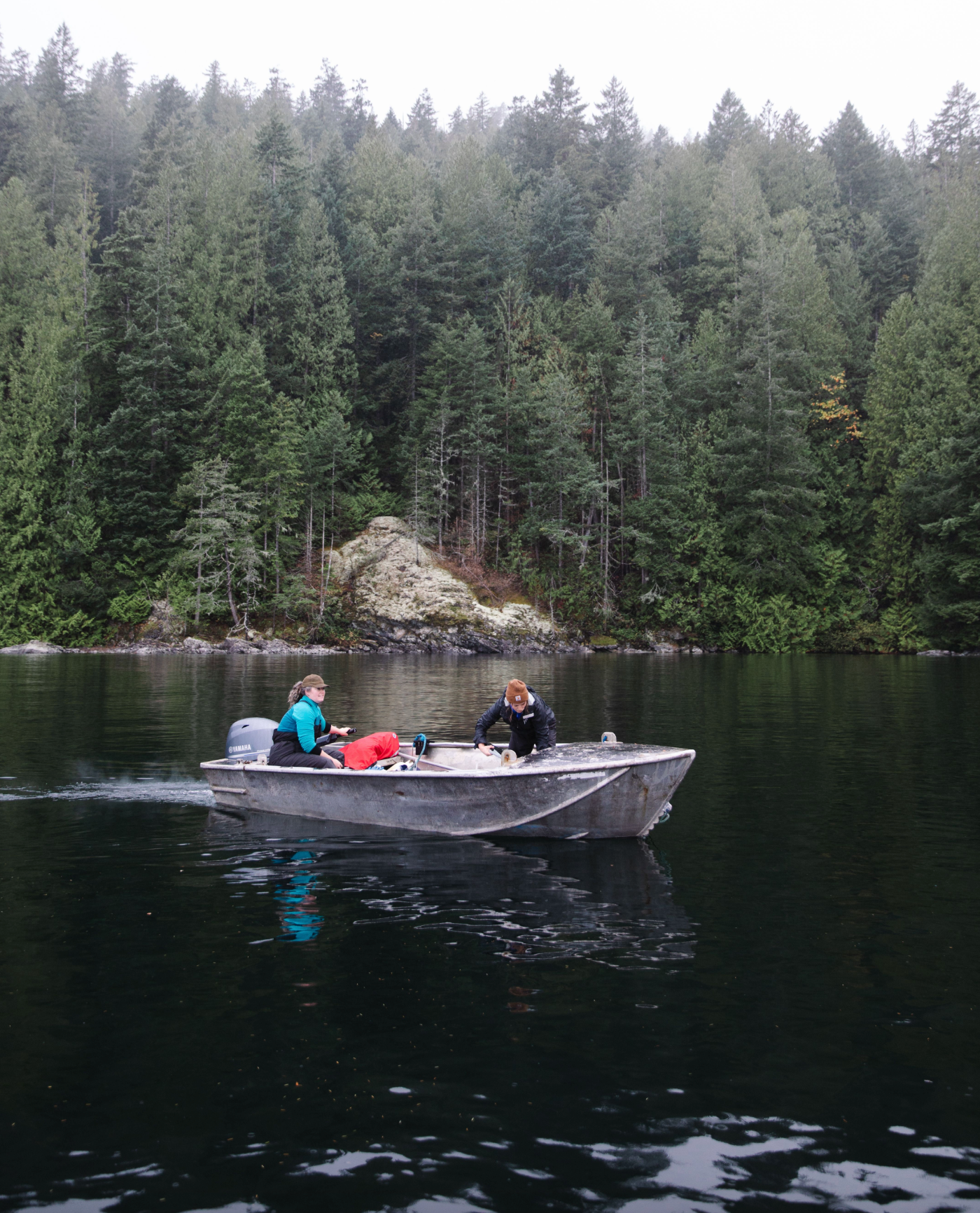
The process of seaforestation involves the restoring and cultivating of kelp forests through meticulous planting and nurturing techniques. Employing a mix of line and green gravel substrates, Kelp Sporophytes are propagated and strategically planted to revitalise degraded marine habitats.
Spore collection: Mature kelp plants are first used as a source to collect spores. These spores are the “seeds” of the kelp.
Nursery phase: The collected spores are cultivated in a controlled nursery environment. This allows the young kelp (seedlings) to develop strong hold fasts (the structures that anchor them) and robust blades before facing the challenges of the open ocean.
Site selection: Suitable coastal locations are carefully chosen based on water quality, nutrient levels, and other environmental factors to maximise growth potential.
Transplanting: Once the seedlings reach an optimal stage of development, they are transferred from the nursery to the ocean. They’re attached to specially designed structures such as ropes that help secure them in place while allowing them to grow naturally in their new environment.
Monitoring & maintenance: After the kelp is in place, ongoing monitoring is essential. This includes checking on growth rates, ensuring that the anchoring structures remain secure, and assessing the overall health of the emerging kelp forest.
Mangrove Planting in Brasil and Kenya
Mangrove Restoration
Rebuilding Brazil’s coastal forests with mangrove restoration in Maranhão, protecting coastlines, restoring habitats, and supporting local communities.
Mangrove restoration is the process of rehabilitating and replanting mangrove forests that have been degraded or destroyed. Mangroves are vital coastal ecosystems that serve as natural barriers against coastal erosion, store significant amounts of carbon, and provide critical habitats for marine and terrestrial wildlife. Restoring these forests helps combat climate change, supports biodiversity, and enhances the livelihoods of local communities.
The importance of mangrove restoration in Brazil
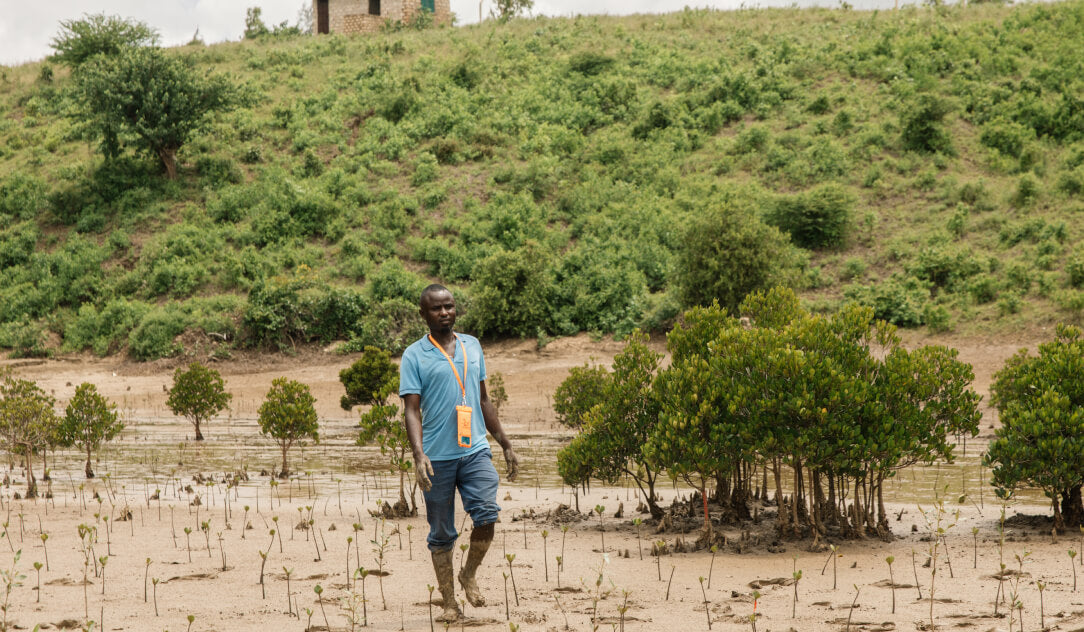
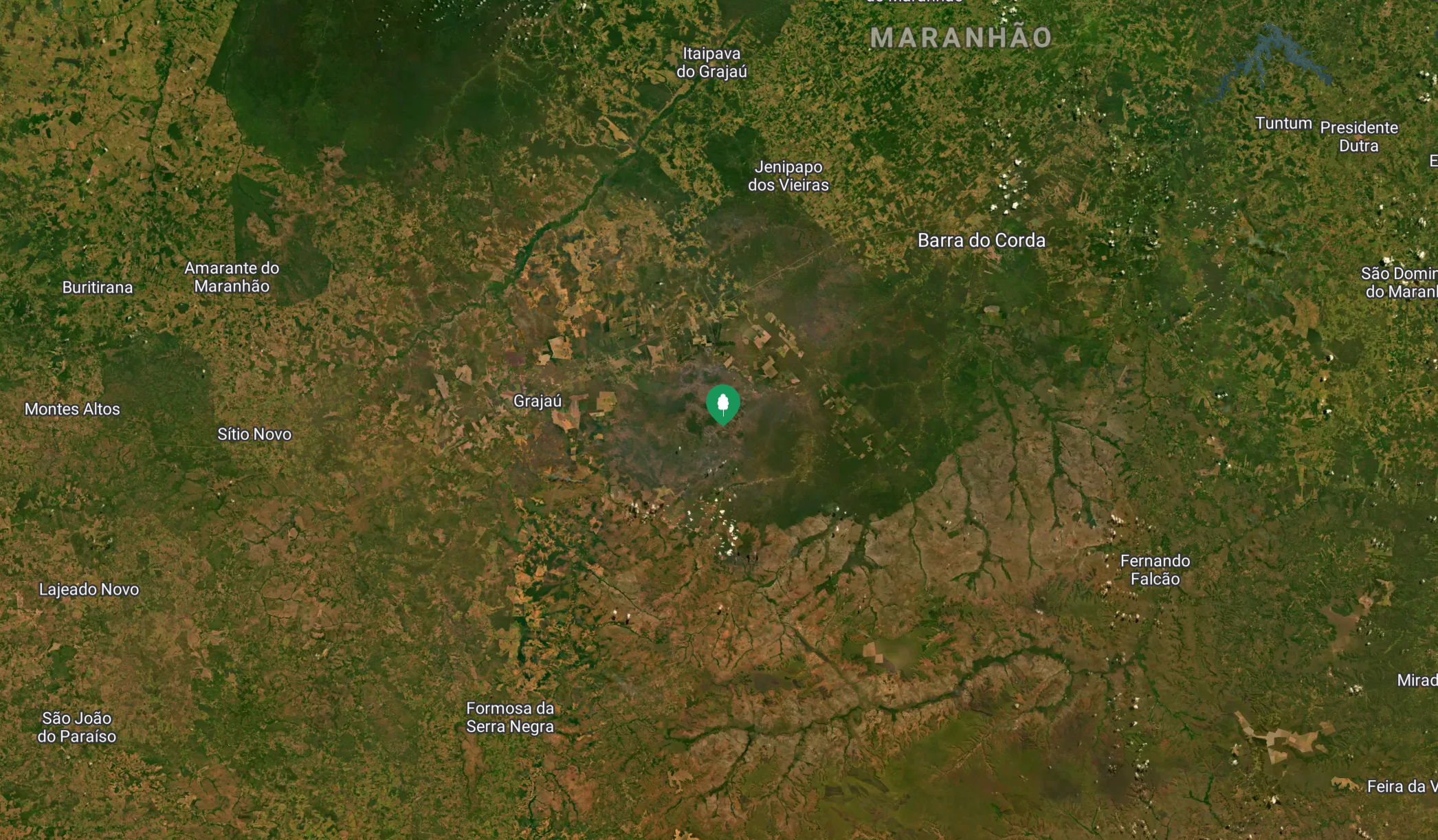
The Amazon rainforest is one of the most crucial ecosystems on Earth. It contains 40% of the world’s remaining rainforest, 25% of its terrestrial biodiversity, and more fish species than any other river system. The Blue Amazon mangrove reforestation site is located in the State of Maranhão, Brazil along the southern border of the Amazon, a region experiencing alarming rates of deforestation due to illegal logging, land conversion for agriculture, and urban expansion. These activities have led to habitat loss, soil degradation, and the displacement of local communities. In many areas, only small, isolated patches of Amazon forest remain. This restoration project aims to reverse these trends by replanting lost mangrove forests, stabilising coastal environments, and preventing further ecological degradation. Despite Brazil’s economic growth, Maranhão State has the lowest Human Development Index (HDI) score of any state in Brazil, with socio-economic conditions comparable to those of Bangladesh. The local community, primarily reliant on fishing, consists predominantly of Quilombolas, descendants of escaped slaves who now have recognised land rights and maintain their traditional way of life. However, these communities are facing increasing threats to their land and cultural heritage.
The Process
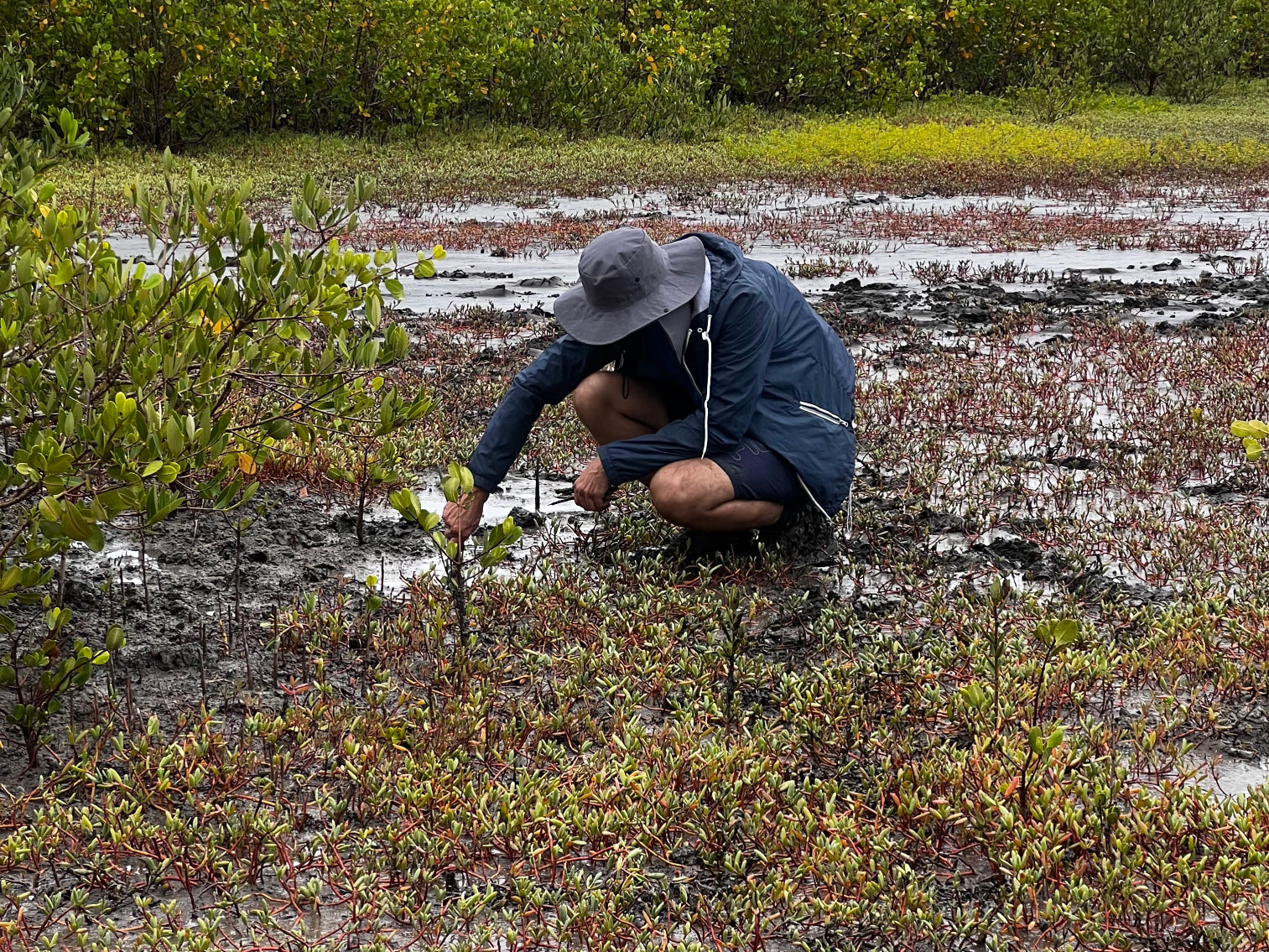
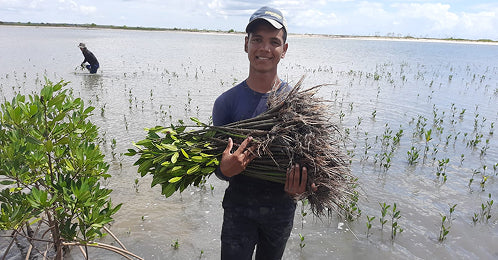
Mangrove planting utilises two main methods: nurseries and direct planting. Nurseries provide a controlled environment where seedlings grow stronger before being transplanted, boosting survival and growth rates. The project team works daily to prepare up to 300 pots, collecting propagules and filling bags with nutrient-rich muddy soil. The seedlings are carefully nurtured with watering, shading, pest control, and fertilisation until they are ready for the wild. Direct planting skips the nursery stage, with teams collecting propagules straight from trees and planting them immediately. Both methods demand long hours and physical endurance, navigating through dense mangrove roots and knee-deep mud, often barefoot. At the planting site, around 5,000 propagules are placed per hectare, each inserted up to one-third of its length, roughly every two steps. With careful planning and protection, about 80% of the saplings survive, ensuring thriving mangrove ecosystems.
Environmental and Social Impact
This mangrove restoration project provides significant social and environmental benefits by improving the livelihoods of local fishermen, creating jobs in a region with limited employment opportunities, and restoring critical habitats for endangered species. By rehabilitating some of the world’s most carbon-rich forests, the project plays a vital role in climate change mitigation, helping to capture and store vast amounts of carbon dioxide. Additionally, the restoration of mangrove ecosystems leads to improved fish stocks, directly benefiting the local fishing community that depends on these waters for their income and food security. Beyond fishing, the project also aims to introduce ecotourism initiatives in collaboration with partners, offering sustainable economic opportunities that will support the region in the long term. Mangrove restoration also helps safeguard several endangered and vulnerable species that rely on these ecosystems. Among the animal species benefiting from this project are the Goliath Giant Grouper (Epinephelus itajara), Manatees (Trichechus spp.), Harpy Eagles (Harpia harpyja), and Jaguars (Panthera onca). These species play an essential role in maintaining the ecological balance of the region. The restoration efforts also focus on replanting three key mangrove species: Laguncularia racemosa (White Mangrove), Rhizophora mangle (Red Mangrove), and Avicennia germinans (Black Mangrove), which are vital to the health of coastal and riverine environments. These species were chosen because they each play a unique role in maintaining coastal and riverine ecosystems, supporting biodiversity, and stabilising sediments against erosion. Implementing this project brings both economic and social benefits to the community by creating employment opportunities and encouraging local involvement in environmental conservation. As part of this effort, every 10,000 trees planted generates approximately 20 workdays, providing stable income and fostering community engagement. Additionally, the initiative strengthens the bond between people and their natural environment, promoting environmental stewardship and sustainable land management practices.
Overall Impact Snapshot
Kelp Planting
1,082 kg of potential CO2 sequestered per year.
3 Kelp Species: Giant, Bull and Sugar Kelp
1 baby humpback whale’s weight of kelp planted.
Partner: Coastal Kelp
*Data as of May 2026
Tree Planting
Together we have planted about 4.34 football pitches worth of trees.
7.64 ac of forest
71116kg of CO2 sequestered per year
Species: Laguncularia Racemosa, Rhizophora mangle & avicennia germinans
*Data as of May 2026
